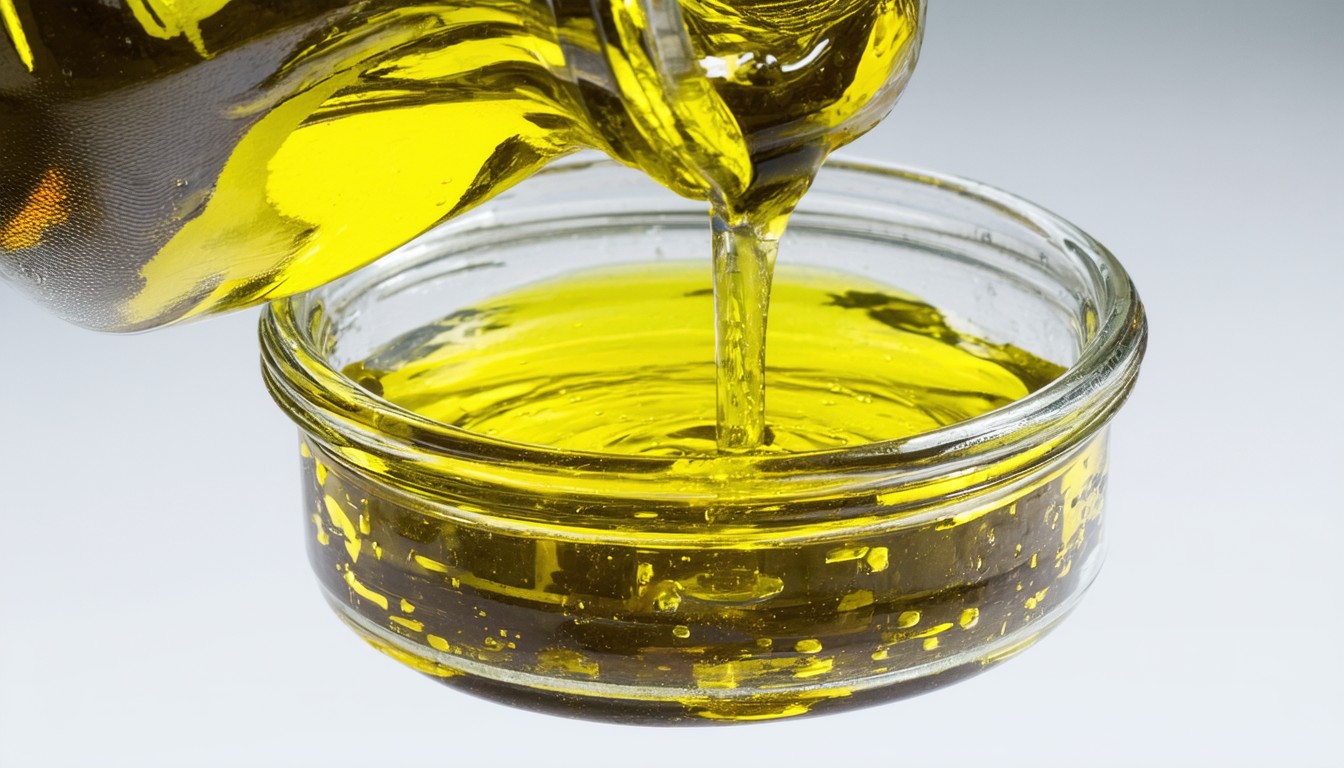
Across homes and restaurants alike, leftover cooking oil accumulates after every meal. While pouring used oil down the drain might seem convenient, this common misstep can have serious environmental and infrastructural consequences. Municipal wastewater experts consistently warn that improper oil disposal clogs pipes, burdens sewage treatment facilities, and contributes to costly fatbergs—giant masses of congealed fat that clog sewers in cities around the world.
Failure to handle used oil responsibly also leads to waterway pollution and threatens wildlife. Even small quantities of oil washed into storm drains can pose dangers to aquatic ecosystems. Growing public awareness of these problems has prompted many regions to reconsider public policies and launch educational campaigns on safe oil disposal.
“Disposing of cooking oil incorrectly can have significant environmental and financial impacts, so understanding the right methods is crucial for communities and households.”
—Dr. Ellen Martinez, Environmental Scientist
Responsible management of cooking oil, therefore, is not just a matter of personal convenience—it’s a shared environmental obligation.
Best Practices for Residential Cooking Oil Disposal
Safe and Simple Disposal Methods for Small Quantities
For most households, only small amounts of cooking oil are generated at a time. The safest way to dispose of these quantities includes:
- Cool and Contain: Allow oil to cool, then pour it into a non-recyclable container with a tight lid (e.g., a milk carton or an empty take-out container). Secure the lid and throw it in the trash.
- Solidify If Possible: Many people mix oil with absorbent materials—such as cat litter, coffee grounds, or paper towels—before disposing of it in the trash. This helps minimize leakage and mess.
Local regulations may vary. In some cities, pouring oil or grease—even in small amounts—down the sink or toilet is strictly prohibited and subject to fines. Homeowners should consult municipal guidelines for clarity.
What Not to Do with Used Cooking Oil
Despite the need for convenience, some methods are decidedly harmful or prohibited:
- Never pour oil down the drain or toilet. This causes fat build-up in pipes and sewers, even when accompanied by hot water or soap.
- Avoid compost piles. Most home compost systems do not break down fats and oils effectively, leading to odors and pest problems.
Community Resources and Special Collection Programs
Oil Recycling Facilities and Drop-Offs
An increasing number of cities have established recycling programs that accept used cooking oil from residents. This oil is often collected and repurposed into biodiesel: a cleaner-burning fuel alternative that can power vehicles or generators.
- Local Household Hazardous Waste (HHW) Facilities: Many HHW centers accept cooking oil alongside batteries and other household waste.
- Designated Community Drop-Off Points: Supermarkets, recycling depots, and periodic community collection events often offer cooking oil recycling bins.
- Retailer Take-Back Programs: Some hardware stores, grocery chains, or garden centers partner with recycling organizations to offer take-back services.
Before transporting used oil, be sure to filter out food particles and transfer the oil to a clean, sealable container.
Restaurant and Commercial Oil Disposal
Restaurants and commercial kitchens generate far more cooking oil than homes. In much of North America and Europe, these businesses are required by law to contract with licensed grease haulers. Service providers use secure, bulk storage bins and manage safe collection, transportation, and recycling.
Case studies from the National Renewable Energy Laboratory highlight how restaurants in cities like San Francisco and Toronto have diverted tens of thousands of gallons of oil per year from landfill to biofuel, demonstrating that large-scale recycling makes a difference.
Innovative Ways to Reuse Used Cooking Oil
Creative Home Reuses for Small Quantities
Beyond disposal, households can sometimes give cooking oil a second life:
- Homemade Soaps: With proper processing, used vegetable oil can be turned into eco-friendly soap.
- DIY Oil Lamps or Rust Prevention: In small volumes, filtered oil has been used for traditional oil lamps or as a rust preventative for gardening tools.
- Animal Feed (with Caution): Some animal farms safely incorporate small amounts of used oil into livestock feed, but only with appropriate knowledge and within regulatory guidelines.
Biofuel and Beyond
Biofuel production stands out as a high-impact use for collected oil. Across the U.S. and Europe, bio-refineries convert millions of gallons of waste cooking oil each year into biodiesel, which then powers transit vehicles, farm equipment, and more. Some universities and municipal fleets run on biofuel blends, providing concrete, large-scale examples of oil recycling.
Environmental Considerations and Legal Issues
Impact of Improper Oil Disposal
When poured down drains or dumped outside, oil can:
- Harden in sewer systems, creating blockages and fatbergs.
- Decrease the efficiency of wastewater treatment plants.
- Contaminate rivers, lakes, and soil, harming fish and plants.
Municipalities spend millions annually to address clogged pipes and pollution caused by improper grease disposal. In some infamous cases, London’s sewers have been choked by fatbergs weighing several tons—visible evidence of a challenge facing many modern cities.
Regulations and Fines
Most U.S. and European local authorities explicitly ban disposing of oil through drains and toilets. Fines for non-compliance can be steep, both for households and businesses. Homeowners should review city-specific waste disposal websites or contact public works departments for the most accurate advice.
Conclusion: Making Cooking Oil Disposal Responsible and Sustainable
The way cooking oil is handled after use has enduring environmental and economic repercussions. By embracing safe disposal habits, taking advantage of municipal recycling programs, and exploring creative reuse strategies, both individuals and businesses can help protect public infrastructure and the natural world. Ultimately, responsible oil management benefits not only the environment but also communities at large.
FAQs
What is the safest way to dispose of small amounts of cooking oil at home?
Allow the oil to cool, pour it into a sturdy, non-recyclable container, and place it in the trash. Mixing oil with absorbent material like kitty litter or coffee grounds can help prevent leaks.
Can cooking oil be poured down the drain if mixed with hot water or soap?
No, even diluted oil will eventually congeal and cause blockages in pipes and sewage systems. Always avoid pouring any type of cooking oil down the sink or toilet.
Does used cooking oil have to be recycled, or can it go in the trash?
While recycling is ideal, small quantities can usually be discarded in the trash if local guidelines permit. Larger amounts or frequent disposal should be taken to a recycling or hazardous waste collection center.
Where can I recycle used cooking oil in my area?
Check your local government’s waste disposal website for household hazardous waste centers or drop-off locations. Some grocery stores, recycling depots, or periodic community events may also accept used oil.
Are there eco-friendly ways to repurpose used cooking oil at home?
Yes, options include DIY soap making, oil lamps, or rust prevention for tools. Only attempt these uses in small amounts and with proper research on safety methods.
What are the consequences of improper cooking oil disposal?
Improper disposal can clog plumbing, damage municipal sewer systems, and pollute local waterways, leading to environmental harm and costly repairs or fines. Responsible disposal helps prevent these issues.