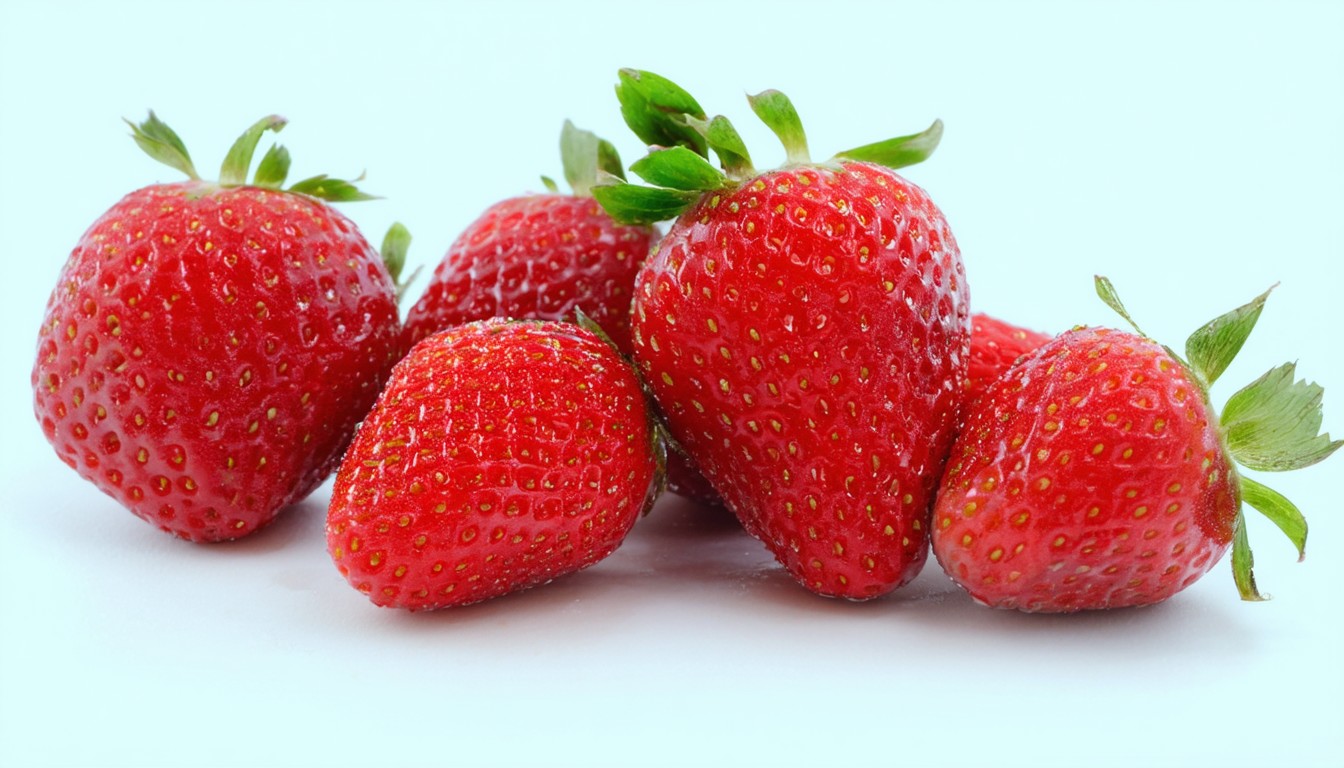
Fresh strawberries are a highlight of spring and summer, prized for their vibrant flavor and versatility. However, their delicate texture and the way they grow—close to the ground and often under conventional pesticides—make them especially prone to harboring dirt, bacteria, and even residual chemicals. In fact, strawberries routinely appear on the Environmental Working Group’s “Dirty Dozen” list, which ranks produce most likely to retain pesticide residues.
Ensuring these berries are thoroughly cleaned isn’t just a recommendation for flavor and aesthetics; it’s a matter of food safety. For families with small children, immune-compromised individuals, or those who simply want to enjoy their produce at its best, knowing how to clean strawberries efficiently is an essential kitchen skill.
Understanding Strawberry Contaminants
Strawberries can carry a range of contaminants from field to table:
- Surface dirt and sand from the growing environment
- Residual pesticides and herbicides, especially on non-organic fruit
- Microbial pathogens or mold spores
- Tiny insects sometimes hidden in the nooks of the berry or around the leafy cap
While a quick rinse under running water may remove some visible debris, studies have shown that a more methodical approach is needed for thorough cleaning. The U.S. Food and Drug Administration (FDA) recommends washing all produce—organic or not—before consumption.
Step-by-Step Guide: How to Clean Strawberries
Step 1: Inspect and Sort
Before washing, go through your strawberries and remove any bruised or moldy berries. Mold can quickly spread, and softer berries may disintegrate during cleaning, making the process messier.
Step 2: Avoid Soaking for Too Long
Filling a bowl with cool water and gently swishing the berries will dislodge most dirt and tiny bugs. Limit soaking time to no more than 5 minutes—prolonged exposure can compromise the fruit’s texture.
Step 3: Rinse Under Running Water
Transfer the berries to a colander and rinse them under a gentle stream of cool water. Use your hands to softly turn them to ensure all surfaces are reached.
Step 4: Consider a Vinegar Solution
Many food safety experts recommend a dilute white vinegar solution (typically about 1 part vinegar to 3 parts water) as an optional but effective way to reduce microbial load:
- Add strawberries to the solution and gently swish for up to 2 minutes.
- Rinse thoroughly under running water to remove any lingering vinegar flavor.
“Vinegar water can help reduce surface microbes on fruits like strawberries, but it’s important not to soak them too long, or the berries can start breaking down,” notes Dr. Maria Heller, a food safety specialist.
Step 5: Dry Gently and Store Safely
After washing, lay strawberries in a single layer on a clean kitchen towel or paper towels. Pat them gently to remove excess moisture. Proper drying reduces the risk of spoilage, as lingering water accelerates mold growth.
For storage, line a container with paper towels, add the dry berries, and keep the lid slightly ajar. This method helps maintain freshness for several days in the refrigerator.
What Can Go Wrong: Common Mistakes to Avoid
Even the best intentions can lead to lackluster, soggy, or quickly spoiling berries if certain pitfalls aren’t avoided:
- Washing too early: Clean only what you’ll use within a day or two. Excess moisture can hasten spoilage.
- Removing stems/leaves before washing: The green tops help protect the fruit’s interior from taking up extra water and losing flavor.
- Skipping the dry step: Wet berries invite mold and softening.
Taking these precautions improves both shelf life and eating experience.
Real-World Examples: From Markets to Home Kitchens
Many farm stands and grocers now recommend consumers wash berries just before eating, not before refrigeration. This practice is rooted in both science and the experience of small-scale producers who prioritize flavor retention and food safety.
One prominent California berry cooperative, for example, includes care instructions with each clamshell package, cautioning customers to “keep dry until ready to eat.” The approach is echoed in restaurant kitchens, where berries are often cleaned with a brief vinegar dunk and then gently dried moments before plating.
Are Natural Produce Washes Effective?
The market for natural fruit and vegetable washes has grown, but research remains mixed on additional benefit versus simple water and food-grade vinegar. The FDA and Centers for Disease Control and Prevention (CDC) agree: specialized commercial washes often add little protection beyond what’s accomplished with proper rinsing and, when needed, a vinegar solution.
Tips for Cleaning Strawberries with Extra Care
For those wishing to go the extra mile, especially when serving vulnerable populations:
- Use filtered or distilled water if your tap supply is questionable.
- Employ a soft produce brush, but only if berries are firm; softer berries may bruise or split.
- For large volumes (such as for making jam), inspect each berry individually for hidden insects.
Conclusion: Clean Strawberries for Peace of Mind and Peak Flavor
Properly cleaning strawberries means more than a splash of water—it’s a combination of gentle rinsing, optional sanitizing, and careful drying that preserves both safety and taste. While the process does require a bit of attention, the payoff is worthwhile: berries that can be enjoyed confidently and kept fresh longer.
Whether you’re preparing a summer dessert, tossing berries in a salad, or simply serving a bowl at breakfast, clean strawberries bring peace of mind, bright flavor, and essential nutrients to the table.
FAQs
How do you clean strawberries to remove pesticides?
Diluting white vinegar with water (about 1:3 ratio) and soaking strawberries briefly, followed by a thorough rinse under running water, can help reduce surface pesticide residues and bacteria.
Should you wash strawberries before or after hulling them?
It’s best to wash strawberries with their green tops still attached. Removing the tops before cleaning can cause water to be absorbed into the fruit, leading to a mushier texture.
Is it safe to use soap or commercial produce washes on strawberries?
No—using soap or non-food-grade cleaning products is not recommended. The FDA and food safety experts advise sticking with water and, if desired, a vinegar soak.
What is the best way to dry strawberries after washing?
Arrange washed strawberries in a single layer on a clean towel or paper towels and gently pat dry. Ensuring they are thoroughly dry before refrigerating helps extend freshness.
Can you clean strawberries ahead of time for meal prep?
Wash strawberries only when you’re ready to use them if possible. Early washing introduces excess moisture, which can shorten the shelf life and lead to faster spoilage.