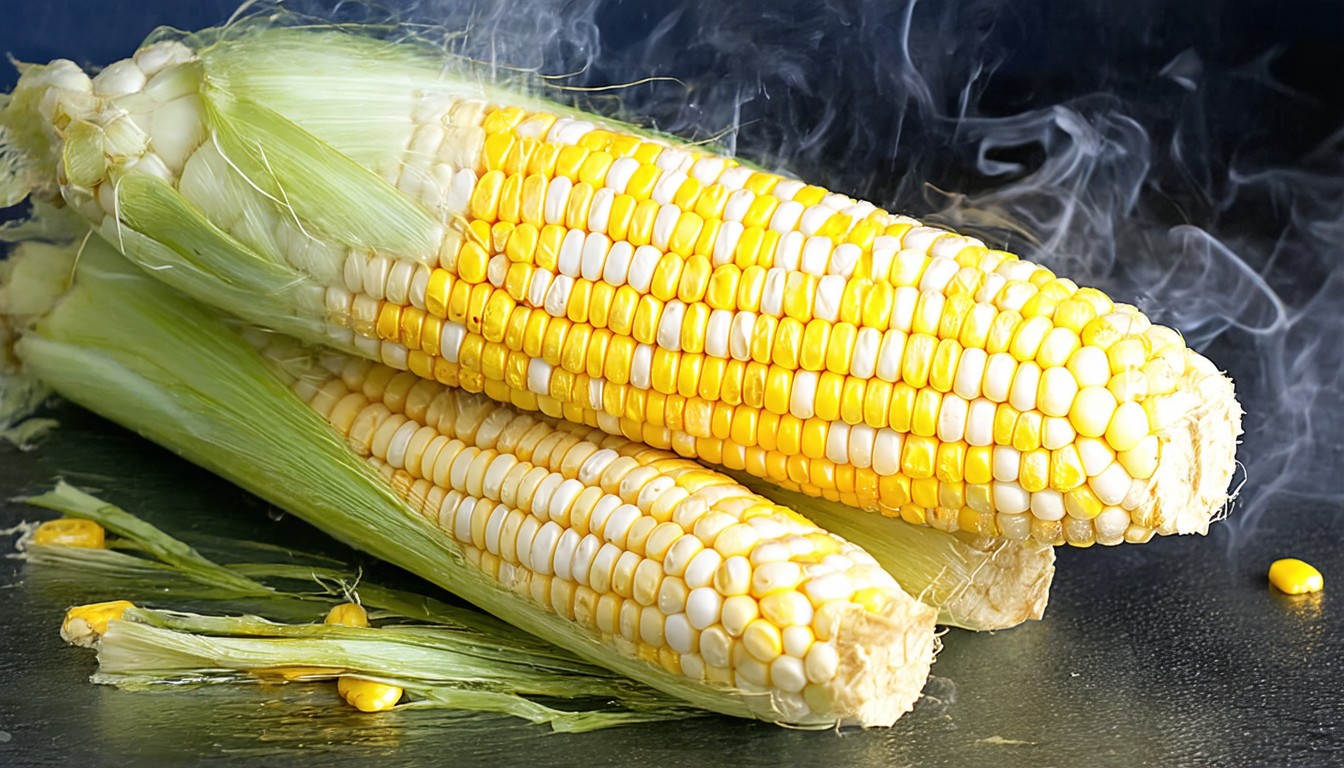
Few summer staples are as beloved as perfectly boiled corn on the cob. Its tender, juicy kernels evoke backyard barbecues, state fairs, and classic family dinners. Achieving that coveted sweet crunch, however, depends largely on how long you boil the corn—too short, and the kernels are starchy and tough; too long, and they lose flavor and become mushy. Understanding the nuances of boiling corn not only guarantees delicious results but also preserves the natural sugars and nutrients that make fresh corn so appealing.
The Science Behind Boiling Corn
Corn on the cob consists largely of water and starch, with natural sugars that begin to convert into starch soon after harvesting. This is why freshness matters; it’s also why precise boiling is crucial for peak sweetness and texture.
When corn is added to boiling water, the heat:
- Softens cell walls for a crisp-tender bite.
- Releases moisture for plump kernels.
- Halts enzyme activity that breaks down sugars, helping preserve the corn’s natural sweetness.
Food science experts often point out that overcooking corn causes these sugars to leach into the boiling water, leaving kernels bland. At the same time, undercooking can leave the outer layer tough and chewy.
How Long to Boil Corn on the Cob: The Essentials
The ideal boiling time for corn on the cob typically falls between 3 to 7 minutes—but the exact number depends on both the freshness of the corn and personal texture preferences.
Freshness Matters
- Freshly picked corn: Boil for 3–5 minutes.
- Older or store-bought corn: Boil for 5–7 minutes.
Younger, just-picked ears require less time since their sugars have not converted to starch, and the kernels are softer by nature. On the other hand, supermarket corn—often several days old—benefits from a longer boil to rehydrate and tenderize.
Boiling Method Overview
- Bring a large pot of water to a boil. No salt required, as it can toughen the kernels.
- Shuck the corn, removing husks and silk.
- Gently add corn to boiling water.
- Cover and return to a boil.
- Start timing:
- Fresh corn: 3–5 minutes
- Older corn: 5–7 minutes
- Remove promptly with tongs.
According to culinary instructor and cookbook author Kristina Gill:
“The most reliable sign of done corn is aroma and visual plumpness; when the kernels deepen in color and your kitchen smells unmistakably sweet, they’re ready.”
Adjusting Boil Times for Special Situations
Variations in corn type, ear size, and preparation style can affect boiling times. Consider these scenarios for optimal results.
Prepping Frozen Corn on the Cob
Frozen ears, already partially blanched during processing, require slightly longer boiling, typically 6–8 minutes straight from the freezer. They’ll emerge piping hot and ready for butter or seasoning.
Cooking for a Crowd
Boiling many ears at once lowers the water temperature. Wait until water returns to a rolling boil before starting your timer to ensure even cooking. Avoid over-stuffing the pot; boil in batches if necessary.
Additional Prep Tips
- Flavor boosters: For extra flavor, try adding a tablespoon of sugar or dairy (like milk or cream) to the water, as many home cooks do in the Midwest.
- Don’t salt the water: Salt can toughen corn kernels but is best added after cooking.
Common Mistakes and Myths
It’s easy to slip into habits or follow inherited kitchen lore that may not yield the tastiest results. Here’s what frequently goes wrong:
Overboiling
The most common error is boiling corn too long. The kernels rapidly lose flavor and textural appeal after more than 7–8 minutes in boiling water. This is especially critical with fresh, peak-season corn.
Leaving Husks On
While roasting or grilling with husks can be delicious, boiling is best done with shucked ears. Husks trap water and prevent effective heat transfer.
Adding Salt to Water
Although host of The Food Lab, J. Kenji López-Alt, notes that salt is almost always beneficial in pasta water, he instead recommends skipping it for corn. Salted water can inadvertently toughen the outer layers of corn.
Comparing Boiling with Other Preparation Methods
While boiling remains a classic, many cooks experiment with alternate techniques. Steaming, microwaving, and grilling can all deliver outstanding corn, but each method brings a distinct texture and flavor profile.
- Steaming: Maintains moisture and sweetness, and often requires 6–8 minutes.
- Microwaving: Suits quick, single-serving preparations (typically 2–4 minutes per ear).
- Grilling: Caramelizes natural sugars, adding smoky depth but takes longer (10–15 minutes total with husks).
Boiling retains more classic sweetness, making it the preferred method for large groups and traditional dishes.
Practical Scenario: Boiling Corn for Summer Gatherings
Consider a family of five preparing for a cookout. They purchase fresh corn from a nearby farm stand and want every ear to burst with summer flavor. They bring a large pot of water to a boil, add the shucked corn, and time it for 4 minutes after the water returns to a boil. The result: perfectly plump, bright yellow kernels—no need for elaborate steps or additives, just a pat of butter and a dash of salt at the end.
Expert Tips for Elevated Results
For cooks seeking to enhance presentation and flavor, consider these chef-approved strategies:
- Use a rolling boil: Ensures even cooking. Lower temperatures can result in unevenly tender kernels.
- Flavor the water judiciously: Adding sugar, not salt, helps accentuate natural sweetness.
- Check for doneness visually: When kernels turn a deeper yellow and look glossy, it’s time.
Conclusion
Timing is the secret to perfect corn on the cob—typically, 3 to 7 minutes does the trick depending on freshness and size. Sensory cues like aroma, color, and plumpness are the best guides. Avoid overcooking, skip salting the water, and savor the flavor with simple toppings. With these straightforward techniques, delicious and reliably tender corn on the cob becomes a staple for any meal or gathering.
FAQs
How do I know when corn on the cob is done boiling?
Corn on the cob is ready when the kernels are bright, plump, and a deep yellow. An unmistakable sweet aroma will fill the kitchen, and the corn should be tender when pierced with a fork.
Should I add salt or sugar to the boiling water?
Skip the salt to avoid toughening the kernels. Adding a small amount of sugar is a classic trick for enhancing corn’s natural sweetness, especially if the ears aren’t farm-fresh.
Can you overboil corn on the cob?
Yes, overboiling can cause the kernels to lose flavor and turn mushy. Aim for a boiling time of 3–7 minutes, adjusting for the freshness and size of the corn.
Is it better to boil corn with or without husks?
Boiling works best with shucked corn. The kernels cook more evenly and quickly, yielding a better texture than when boiled in the husk.
How long should I boil frozen corn on the cob?
Frozen ears of corn typically need 6–8 minutes in boiling water. Place them directly into the pot without thawing first.
Do different corn varieties require different boiling times?
Most sweet corn varieties boil within the same 3–7-minute window, but tougher or larger kernels may need an extra minute or two for ideal tenderness. Always check doneness as you boil.