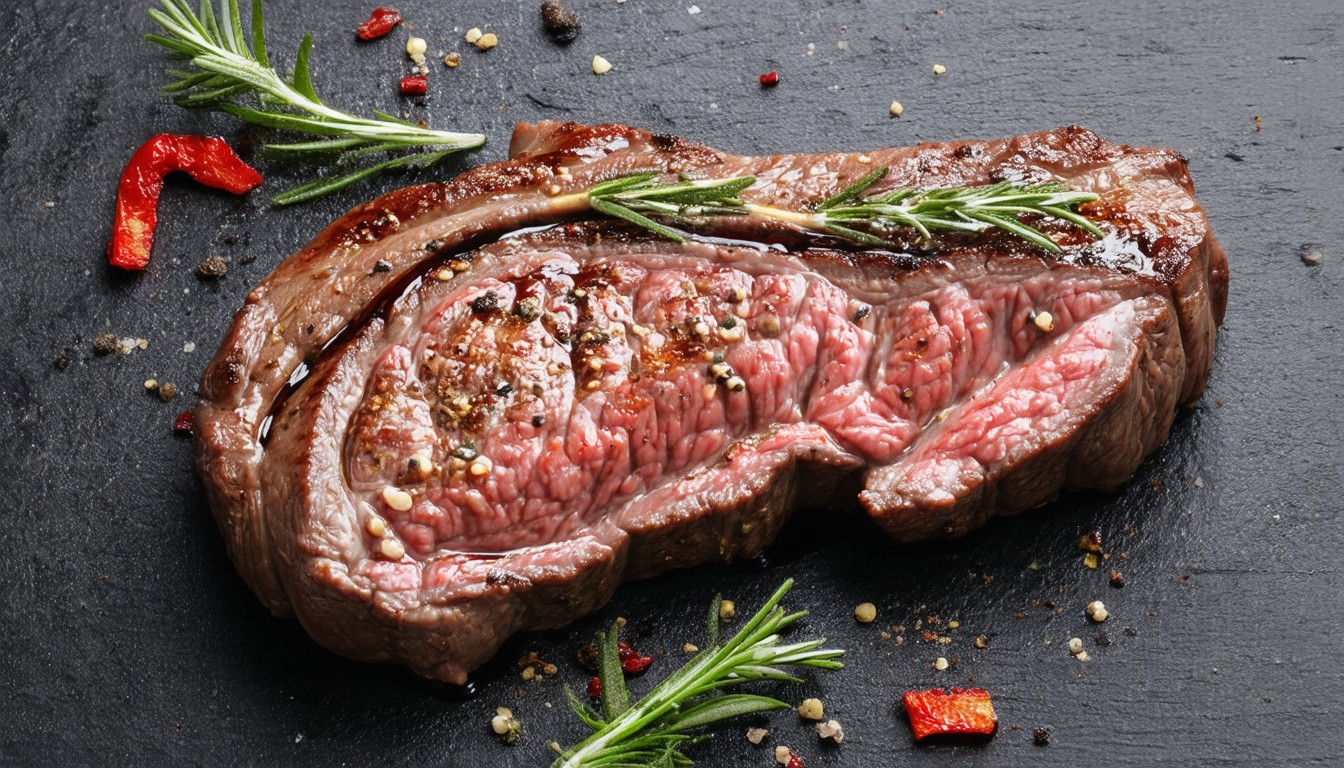
Reheating steak is a deceptively tricky task. While leftover steak can be a luxury, many face a common disappointment: a once-juicy, tender cut transformed into a dry, rubbery shadow of its former self. The reason lies in steak’s delicate balance of fat, moisture, and muscle fibers. When heated improperly, juices escape, and proteins toughen, robbing the meat of its flavor and texture.
Real-world scenarios abound. Whether you’re aiming to revive a medium-rare ribeye from last night’s restaurant splurge or ensuring meal-prepped sirloin doesn’t go to waste, the goal is the same: maintain the culinary integrity of the steak—juiciness, flavor, and tenderness. Fortunately, chefs and food scientists have put a spotlight on the science of reheating, leading to refined methods that prioritize taste and satisfaction.
Understanding Why Steak Dries Out When Reheated
To grasp the best way to reheat steak, it helps to understand why it so often dries out. Steak is a protein-rich food, with muscle fibers interwoven with pockets of fat and water. When first cooked, these fibers loosen, holding onto juices and flavor. Upon cooling, the steak’s fat solidifies and the muscle fibers tighten.
Reheating, especially with too much heat or too quickly, causes:
- Proteins to contract further, squeezing out stored juices.
- Fat to render unevenly, leading to greasy or dry bites.
- Moisture loss, speeding up with each additional heat cycle.
According to food scientist Dr. Jeff Potter, author of Cooking for Geeks:
“The key to reheating cooked meat without drying it out is gentle, uniform heat. Rushing this process with high temperatures will inevitably squeeze out moisture and toughen your steak.”
Gentle, Even Heat: The Best Way to Reheat Steak
Most experts agree: the best way to reheat steak and retain its juiciness involves slow, mild heat. Below are the most recommended and tested methods, each suited to different home kitchens and schedules.
The Oven and Skillet Combination (Reverse Sear Technique)
This chef-adored approach uses the oven for gentle reheating followed by a quick skillet sear for flavor and texture.
Step-by-Step
- Preheat the Oven: Set your oven to a low temperature (250°F/120°C works well).
- Prepare the Steak: Place the steak on a wire rack over a baking sheet to ensure even air circulation.
- Reheat: Warm for 20-30 minutes, depending on steak thickness, until just below your desired internal temp (ideally around 110-120°F/43-49°C for medium-rare).
- Rest Then Sear: Rest briefly, then sear in a hot skillet with a touch of oil for 1 minute per side to re-crisp the exterior.
This method, modeled after the “reverse sear” popularized by steakhouse professionals, ensures even interior warmth and a caramelized crust. In blind taste tests, this approach consistently earns top marks from food publications like Serious Eats and America’s Test Kitchen.
Sous Vide: For Maximum Juiciness
If you own an immersion circulator, the sous vide approach is nearly unbeatable for reheating steak without overcooking.
- Bag the steak: Place steak in a vacuum or zipper bag.
- Water bath: Set sous vide to the steak’s original doneness temperature (typically 130°F/54°C for medium-rare).
- Heat: Submerge for 30-45 minutes.
Sous vide ensures every part of the steak rewarms gently and evenly, locking in juices. Finish with a hot sear for best results.
Stovetop Steaming: The Quick Fix
For those without time or specialized equipment, the stovetop steam method is suitable for thinner cuts.
- Prepare a skillet: Add a splash of water or broth and heat at medium-low.
- Add the steak: Place meat in the pan and cover with a lid.
- Steam briefly: Let the steam warm the steak for 2-3 minutes per side.
This moisture-buffered approach prevents the steak from drying and quickly restores palatability—especially for meal-prep portions.
Mistakes to Avoid When Reheating Steak
Over-microwaving is the most common misstep, causing steak to become tough and unevenly heated. Experts recommend that microwaves, if used at all, be reserved for emergency situations—on a low power setting and with a damp paper towel over the steak. Directly refrying or grilling leftover steak further risks making it dry, unless it’s being used in a new dish like fajitas or stir-fry that adds moisture.
Additionally, reheating directly from the refrigerator without letting steak rest at room temperature can result in inconsistent heating and a cold center. Always let steak sit, loosely covered, for about 15 minutes before applying heat.
Savoring Leftover Steak: Real-World Inspirations
Beyond simply reheating, some creative applications for leftover steak ensure flavor and texture remain highlights. Many restaurants repurpose steak into composed salads, warm sandwiches, or breakfast hashes, combining gentle reheating with complementary ingredients. Home cooks can take inspiration by reheating steak before slicing it thin for tacos, or finishing it in a sauce to add back moisture.
Culinary educator and chef Lisa Donovan summarizes:
“When you treat leftovers as an ingredient rather than a compromise, you unlock new levels of flavor and satisfaction—reheating becomes about enhancing, not just restoring.”
Conclusion: Key Takeaways for Juicy, Flavorful Reheated Steak
Reheating steak without losing its hallmark juiciness and robust flavor is achievable with the right method. Whether using the reverse sear, sous vide, or stovetop steaming, the unifying principle is gentle, controlled heat. By understanding how proteins and fats behave upon reheating—and avoiding the most common pitfalls—home cooks can savor steak at its best, even the next day.
For the most consistently delicious results, plan to reheat steak slowly, let it rest before reheating, and only sear at the end for a fresh crust. Ultimately, adopting professional techniques into your kitchen routine transforms ordinary leftovers into a gratifying experience.
FAQs
What is the worst method to reheat steak?
Microwaving steak on high is widely considered the worst approach for preserving juiciness and texture; it often results in dry, tough meat and uneven heating.
Can I reheat steak multiple times?
Repeated reheating dries out steak and diminishes its flavor and tenderness. It’s best to reheat only once and consume immediately for optimal results.
Is sous vide really worth it for leftovers?
Sous vide offers highly controlled, even reheating that’s nearly impossible to replicate with traditional methods. For steak aficionados, the investment pays off in retained moisture and restaurant-quality results.
Should steak be reheated straight from the fridge?
For even reheating, let steak come to room temperature for about 15 minutes before applying heat. This helps avoid cold centers and uneven texture.
Can I use leftover steak cold?
Absolutely—leftover steak is delicious sliced thin on salads, in sandwiches, or as a protein addition to bowls and wraps, eliminating the need for reheating altogether.