For centuries, one question has fascinated historians, theologians, and artists alike: What did Jesus look like? The iconic images of Jesus—often characterized by long, flowing hair and fair skin—are deeply embedded in Western art and culture. Yet, such depictions reveal more about the eras and societies that produced them than about the historical figure they claim to portray. Exploring the authentic appearance of Jesus is not just an academic pursuit; it offers insight into early Christianity, social diversity in ancient Judea, and how religious iconography shapes popular imagination.
Biblical References: Textual Clues and Silences
The New Testament, surprisingly, offers scant detail about Jesus’ physical appearance. None of the canonical Gospels—Matthew, Mark, Luke, or John—describe Jesus’ height, skin tone, or facial features. The focus remains instead on his teachings and actions. A frequently cited passage from Isaiah 53:2, though prophetic and not biographical, reads: “He had no beauty or majesty to attract us to him, nothing in his appearance that we should desire him.” Early Christians may have intentionally avoided physical descriptions to emphasize his spiritual message over worldly attributes.
Yet, the lack of description has not deterred attempts at retroactive portraiture. Over the centuries, apocryphal texts and various Christian traditions filled gaps with imaginative detail, ranging from miraculous birthmarks to shining auras. But none of these sources are considered historically reliable.
Historical and Archaeological Insights
The Look of a First-Century Judean Man
To move beyond speculation, historians turn to data from archaeology and anthropology, focusing on what an average man from Jesus’ time and place likely looked like. Scholars often draw on forensic reconstructions and studies of ancient remains found in Israel and its neighboring regions:
- Average Height and Build: Adult men in first-century Judea were typically around 5’5” (165 cm), with a robust, physically resilient build due to demanding labor and nutrition constraints.
- Hair and Facial Features: Dark, olive skin and short, curly hair were common in the Eastern Mediterranean. Most men wore their hair and beards relatively short, following prevailing Jewish customs of cleanliness and grooming.
- Clothing: Simple garments made from wool or linen, such as tunics and mantles, were standard. Jesus’ clothes would have marked him as neither wealthy nor elite.
One prominent effort to visualize the historical Jesus came from a team led by British forensic anthropologist Richard Neave in the early 2000s. Using an actual first-century Jewish skull from Israel, Neave’s team created a reconstruction with dark skin, broad facial features, and a short beard. Although illustrative, this model does not claim to be a perfect likeness but rather a plausible composite.
“What our reconstruction presents is not the image of Jesus himself, but rather an idea of what a Judean man of his time and place might have looked like,” Dr. Neave explained in an interview.
How Jesus Was Recognized by Peers
The Gospels occasionally reference moments when Jesus is not immediately identified by his disciples (as in Luke 24:16). Interpretations vary: some theologians say these instances are symbolic, while others suggest Jesus blended easily among his peers, contradicting the archetype of a striking, otherworldly figure.
The Rise of Iconic Christian Imagery
From Catacomb Art to Renaissance Masterpieces
Early Christianity avoided visual representations of Jesus, likely due to Jewish aniconism and fear of idolatry. When images did appear, as in the Roman catacombs, Jesus was variously shown as a youthful shepherd or philosopher—the artistic conventions of the day.
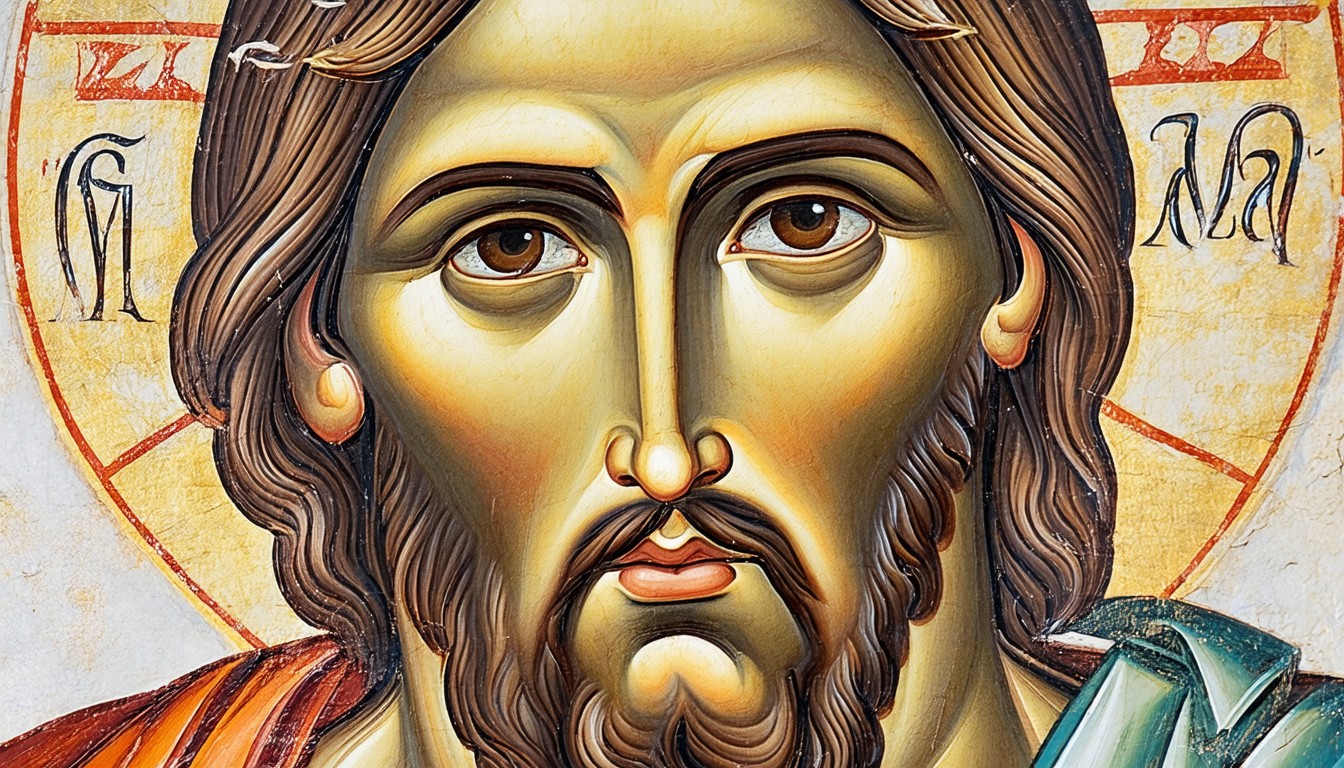
From the fourth century onward, as Christianity became the Roman Empire’s dominant faith, visual depictions of Jesus began to coalesce into familiar forms. Byzantine icons established the image of Christ Pantocrator: a bearded, solemn figure with symmetrical features and shoulder-length hair. These stuck, influencing later medieval, Renaissance, and modern Western portrayals.
Renaissance Reimaginings and Global Adaptations
Renaissance artists like Leonardo da Vinci and Michelangelo embraced idealized European features—light skin and soft hair—reflecting their own cultural milieux rather than historical accuracy. In the 19th and 20th centuries, mass-produced images of a “white Jesus” became ubiquitous, even shaping contemporary media.
Non-Western Christian communities, by contrast, sometimes depict Jesus in local colors: with Asian, African, or Indigenous features. These adaptations underscore how imagery serves not only historical inquiry but also cultural affirmation.
Why Accurate Representation Matters
The question of Jesus’ appearance is not only about physical anthropology but also about religious inclusivity and representation. For some, Westernized images symbolize exclusion or colonial legacies. In recent decades, movements for more historically plausible and ethnically diverse representations have gained traction among scholars, clergy, and artists.
For example, the BBC documentary “Son of God” (2001) popularized the use of forensic anthropology to drive home the point that, as a Galilean Jew, Jesus would have looked Middle Eastern—a far cry from blonde, blue-eyed depictions.
Conclusion: Beyond the Face of Jesus
While the precise details of what Jesus looked like remain lost to history, combining biblical silence, historical context, and archaeological evidence yields a plausible image: a Middle Eastern man, likely with dark skin and unremarkable, working-class features. Ultimately, the search for Jesus’ face reveals more about our own cultures and beliefs than about him. The enduring challenge—and opportunity—is to explore, respect, and learn from this diversity of images while staying mindful of historical realities.
FAQs
Did Jesus really have long hair and blue eyes?
Most historical evidence suggests that Jesus likely had short, dark hair and brown eyes, in line with typical Judean features of his era. The familiar image of Jesus with long, light hair is a later, Eurocentric development.
Why doesn’t the Bible describe what Jesus looked like?
Biblical writers focused on Jesus’ message and actions rather than his physical appearance. This omission may have been intentional to emphasize spiritual significance over external looks.
How do historians determine what Jesus might have looked like?
Scholars analyze skeletal remains, ancient art, and historical texts to reconstruct common traits of first-century Judean men. Forensic reconstructions use contemporary data and archaeological findings to offer plausible models.
Have different cultures portrayed Jesus differently?
Yes, throughout history, Christian communities have depicted Jesus reflecting their own ethnic features and cultural contexts. This diversity highlights how sacred images adapt to local identities.
Why is the representation of Jesus’ appearance important today?
Accurate and inclusive images of Jesus challenge stereotypes and broaden religious understanding. They also foster a sense of belonging among diverse Christian populations and encourage historical awareness.