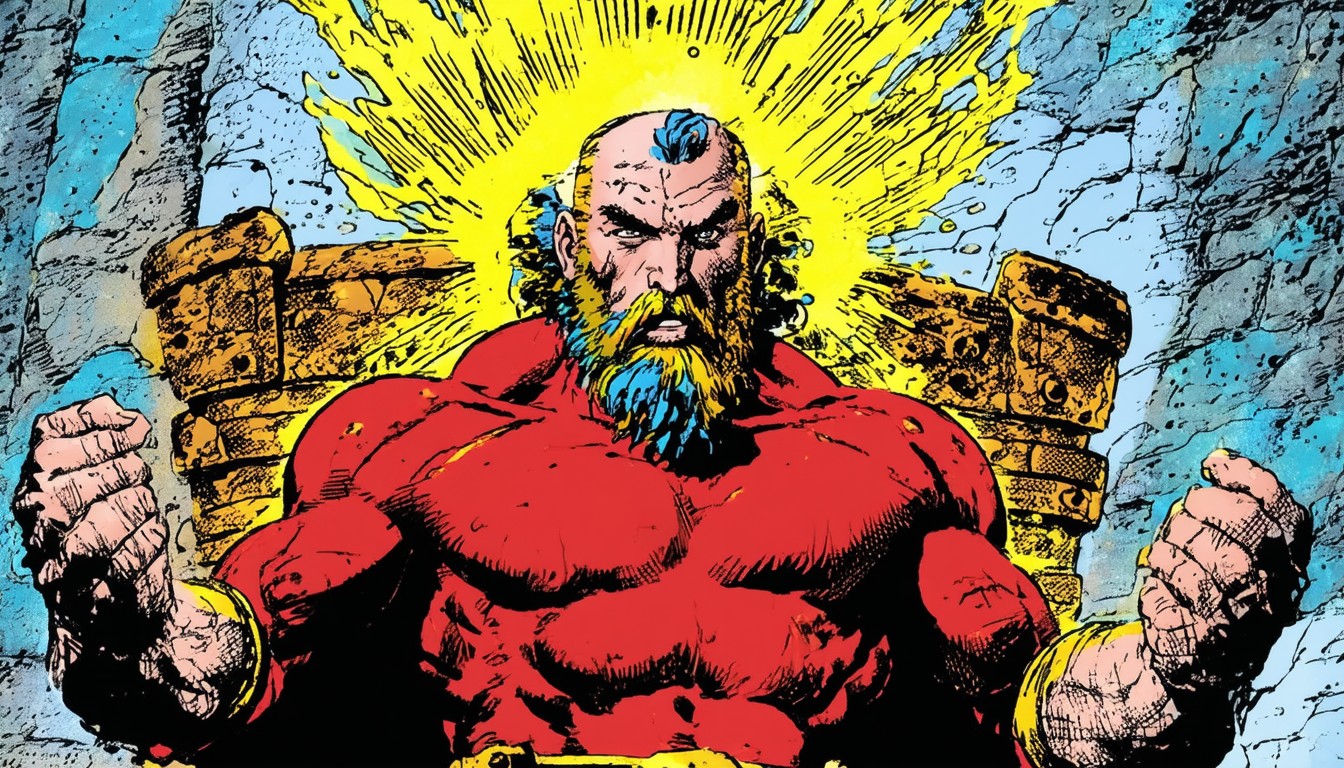
Among Marvel Comics’ modern pantheon of villains, few have carved out a legacy as chilling and thought-provoking as Gorr the God Butcher. Introduced in 2013 through Jason Aaron and Esad Ribić’s lauded “Thor: God of Thunder” run, Gorr quickly became a symbol of existential dread and divine reckoning. His stark philosophies, combined with devastating power, have left lasting marks not only on the gods of Marvel but on the very readers who followed his relentless crusade. As Gorr’s storyline was translated, in part, to the Marvel Cinematic Universe with “Thor: Love and Thunder,” curiosity has surged regarding his origin, supernatural abilities, and the philosophical undertones driving his crusade against godhood itself.
The Tragic Origin of Gorr the God Butcher
Early Life and Betrayal
Every legendary villain is born from pain, and Gorr is no exception. On a desolate, unnamed planet, Gorr’s existence was defined by suffering and loss. His family, wracked by starvation, disease, and neglect, died one by one. Despite faithfully praying to gods who offered no relief, Gorr received only silence from the heavens.
This cycle fostered a deep bitterness. In a pivotal, harrowing scene, he witnessed gods crash to his planet in battle, revealing their existence—only after it was too late for his loved ones.
Becoming the God Butcher
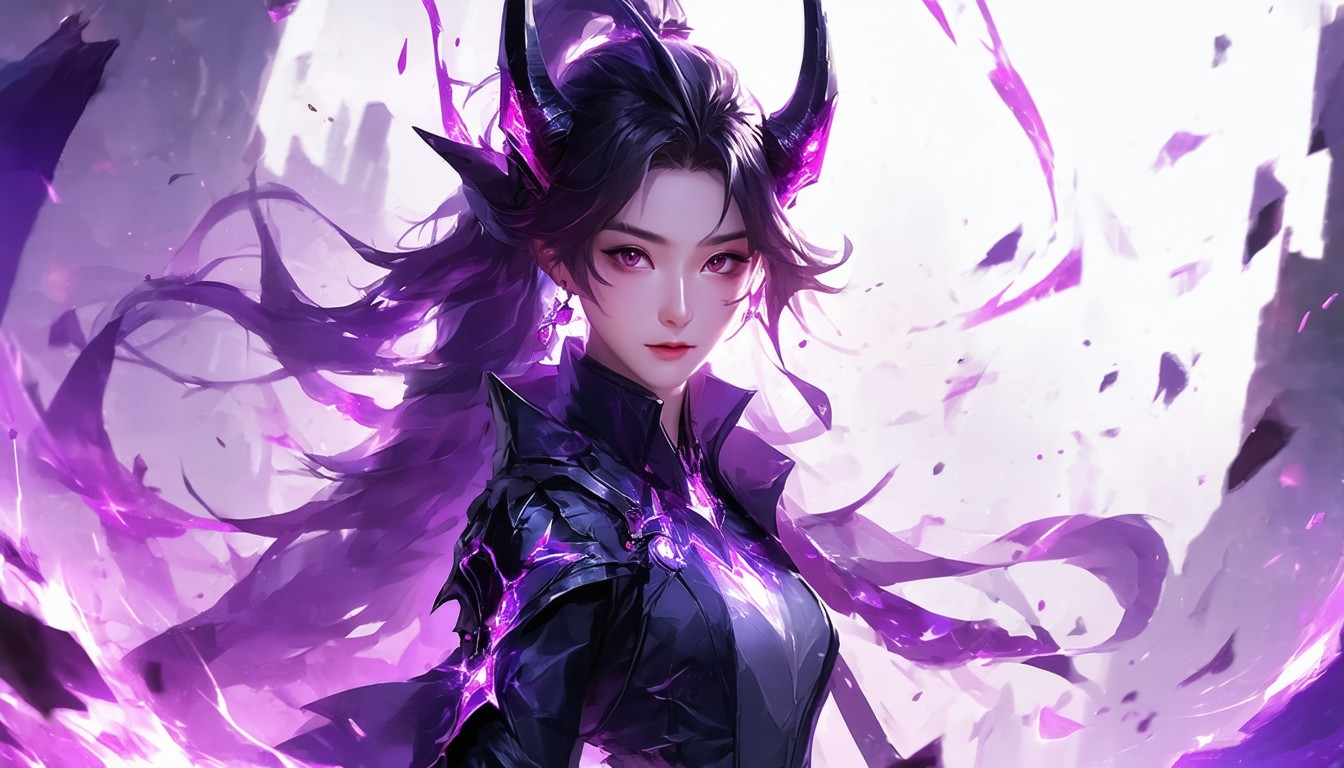
Gorr’s defining transformation came with the unwitting acquisition of All-Black the Necrosword, a symbiotic, living weapon of unimaginable power. The sword bonded to his resentment, amplifying it into a mission: eradicate all gods, whom he deemed cruel or indifferent.
“Gorr is more than a villain—he’s the embodiment of godly apathy’s consequences; his rage is not only against individuals, but against the very notion of worship and cosmic order.”
— Marvel Comics author Jason Aaron (paraphrased from interviews)
Gorr’s Powers and the Legacy of All-Black the Necrosword
The True Nature of the Necrosword
All-Black the Necrosword grants Gorr powers that rival the gods. Forged from the shadowy matter of Knull, the symbiote progenitor, the sword offers:
- Superhuman strength and durability far beyond Thor at his peak
- Regeneration, enabling healing from most wounds
- Creation and manipulation of darkness constructs—often forming monstrous creatures or weapons
- Immortality, or at least agelessness, for as long as he wields the Necrosword
More than a weapon, the Necrosword’s sentience feeds on its wielder’s rage, making the bond both a blessing and a curse.
Impact on the Cosmos
Wielding these abilities, Gorr has proven a match for pantheons. He has slain gods across the universe—deities worshipped by entire worlds, many of whom fell with little resistance. In one of the most memorable arcs, Gorr imprisons gods en masse and devises the Godbomb, a device intended to erase all divine life throughout time.
Marvel’s cosmic landscape was forever reshaped by the severity and scale of Gorr’s campaign, forcing even gods to confront their own failings and frailty.
Philosophical Themes and Gorr’s Enduring Legacy
A Narrative of Faith and Doubt
Gorr’s story stands out for its interrogation of faith, meaning, and justice. Many readers were drawn to his central question: What is the value of worshipping gods who do not answer, or worse, do not care? Unlike typical comic book antagonists, Gorr’s motivations are grounded in existential despair, sparking debates on morality, divinity, and human reliance on higher powers.
- Faith vs. evidence: Gorr saw the suffering on his world as proof of the gods’ indifference.
- Moral ambiguity: Even as he committed atrocities, some gods’ apathy lent disturbing weight to his crusade.
Influence on Thor and Marvel’s Mythology
Gorr’s journey has had profound repercussions on Thor. In the wake of Gorr’s accusations, Thor struggles with unworthiness—a thread later pivotal to the “Unworthy Thor” and “Jane Foster: Thor” storylines. The alteration of Thor’s self-perception, and the broader reflections on godhood, have become touchstones for modern Marvel narratives.
Gorr Beyond the Comics: Evolution in Popular Culture
Cinematic Adaptation and Critical Response
The 2022 film “Thor: Love and Thunder” brought Gorr to mainstream audiences, with Christian Bale’s performance drawing both intrigue and debate. While the film reimagined key elements, it preserved the underpinnings of tragedy and vengeance at the core of Gorr’s story. Though some critics noted the adaptation compressed his complexity, many praised the film’s effort to spotlight a nuanced, morally driven antagonist within a blockbuster format.
Lasting Appeal Among Marvel Villains
Few Marvel antagonists resonate as deeply as Gorr. His tragic background and the raw, philosophical questions he raises leave a legacy felt far beyond his initial arc. As Marvel continues to explore themes of power, responsibility, and belief, Gorr’s narrative remains a reference point for storytelling that dares to challenge the gods themselves.
Conclusion: Gorr’s Impact on Marvel Storytelling
Gorr the God Butcher has solidified his place as a defining figure in contemporary Marvel Comics. His origins rooted in real pain, his powers bolstered by one of the universe’s darkest artifacts, and his mission challenging the very purpose of deity—these elements combine for a character who unsettles gods and readers alike. Whether on the comic page or the silver screen, Gorr remains a vivid reminder of the cost of neglect and the perils of unchecked faith.
FAQs
Who created Gorr the God Butcher?
Gorr was created by writer Jason Aaron and artist Esad Ribić, first appearing in “Thor: God of Thunder” #2 in 2013.
What is the All-Black the Necrosword?
All-Black is a powerful, living weapon originally forged by the god Knull, the progenitor of symbiotes. It imbues its wielder with immense powers, including superhuman strength, healing, and the ability to manipulate darkness.
How did Gorr’s story influence Thor’s character development?
Gorr’s actions forced Thor to question the nature and worth of godhood, leading to pivotal storylines where Thor grapples with his own sense of unworthiness and purpose.
Was Gorr in the Marvel Cinematic Universe?
Gorr appeared in the 2022 MCU film “Thor: Love and Thunder,” portrayed by Christian Bale. The film adapted aspects of his origin and motivations, introducing him to a broader audience.
Why is Gorr considered such a compelling villain?
Gorr’s believable motivations, tragic history, and philosophical arguments about faith and divine responsibility set him apart from typical supervillains, making his story resonate on a deeper level with readers.
What is Gorr’s fate in the comics?
Ultimately, Gorr is defeated by different incarnations of Thor across time. His legacy endures, however, affecting how gods are portrayed and perceived within Marvel stories for years to come.